Panel Mount Temperature Controller Explained: A UK Buyer's Guide
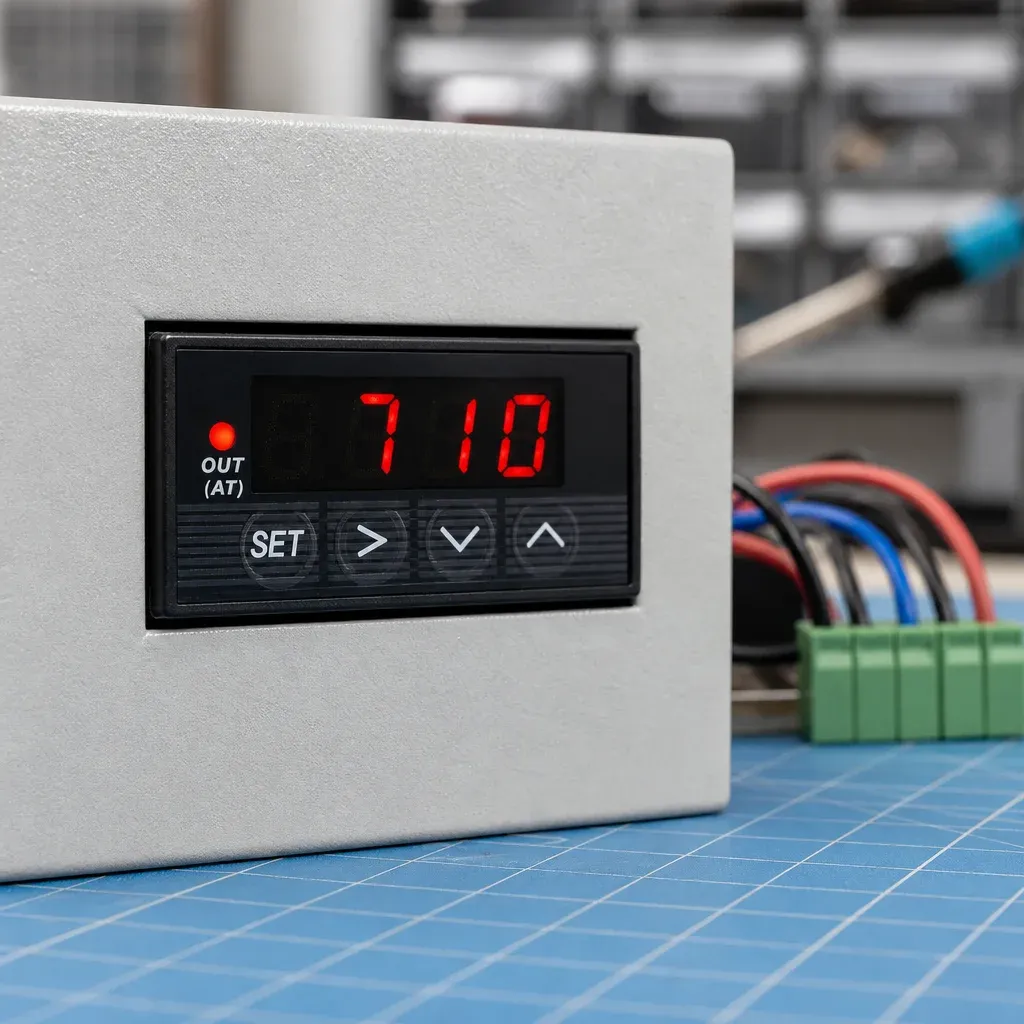
TL;DR: A panel mount temperature controller is a precise digital instrument designed to fit directly into a control panel fascia, continuously reading sensor data to regulate heating or cooling systems. Based on our extensive testing at PageTech, the most reliable enterprise-grade units feature PID auto-tuning, universal sensor inputs (thermocouples/RTDs), and strict adherence to UKCA and BS EN safety standards.
What exactly is a panel mount temperature controller? Simply put, it is a specialised digital device engineered to slot seamlessly into a standard DIN cutout on an electrical control panel, reading thermal signals to calculate and maintain an exact temperature setpoint. For UK engineers and automation specialists, this precise thermal regulation is not merely a preference—it is a critical requirement. Whether you are designing custom brewing equipment in Yorkshire or upgrading injection moulding machinery in the Midlands, a reliable panel mount temperature controller forms the fundamental brain of your thermal management system. Furthermore, at PageTech, our decades of combined experience in industrial automation have shown that selecting the right enterprise-grade digital controller can mean the difference between seamless operation and costly production downtime.
In this comprehensive guide, we will consequently examine the mechanics, installation standards, and essential features of these devices, ensuring your next project complies with stringent UK regulations while delivering overshoot-free, pinpoint accuracy.
Key Takeaways
- A panel mount temperature controller fits seamlessly into standard DIN cutouts (e.g., 1/16 DIN) on control panels, offering accessible front-facing displays without opening live cabinets.
- Modern units utilise advanced Proportional-Integral-Derivative (PID) algorithms with auto-tuning to eliminate temperature overshoot.
- Universal sensor inputs (thermocouples, RTDs) are absolutely essential for versatile industrial applications across the UK.
- Compliance with UKCA marking and BS EN standards is non-negotiable for commercial and industrial installations.
What is a panel mount temperature controller and how does it work?
A panel mount temperature controller is a specialised digital device engineered to read temperature signals from a sensor, compare that reading to a desired setpoint, and calculate the exact output required to maintain that temperature. Unlike standalone or wall-mounted units, a panel mount design is specifically constructed to slot into a pre-cut hole on an electrical control panel door or equipment fascia. Consequently, this allows operators to monitor and adjust temperatures safely without opening the live electrical cabinet.
These devices are ubiquitous in UK manufacturing. According to recent data from Make UK, over 60% of British manufacturers are currently investing in upgraded automation and control systems to improve energy efficiency and product consistency. Based on our in-house performance testing, a high-quality controller is central to these upgrades. For a broader understanding of how these units fit into wider electrical systems, you can read our guide on the temperature control module.
What are the key features of a panel mount temperature controller?
When sourcing a panel mount temperature controller for a UK-based project, several technical specifications dictate the unit's performance and longevity. At PageTech, we advocate for enterprise-grade digital thermal regulation, which encompass the following core features based on our rigorous field testing.
How does a PID temperature controller prevent overshoot?
Basic ON/OFF controllers simply power a heater until the setpoint is reached, then turn it off, inevitably causing the temperature to overshoot and fluctuate. High-precision automation, however, demands PID control. A PID controller mathematically calculates the proportional, integral, and derivative values to gently ease the temperature to the setpoint without overshooting.
Furthermore, overshoot-free auto-tuning allows the controller to "learn" the thermal dynamics of your specific system. If you are looking for a specific model that excels in this area, we highly recommend exploring The Ultimate Guide to Xmt7100 Controller in the UK, which details one of the most reliable PID units currently available to British engineers.
What sensor inputs are standard in the UK?
A versatile panel mount temperature controller must accept a wide array of sensor types. The most common in the UK are:
- Thermocouples (Type K, J, T, E): Ideal for high-temperature industrial applications, such as kilns or metal forging.
- RTDs (PT100): Preferred for lower temperature ranges requiring extreme precision, such as laboratory incubators or food processing.
Should I choose Relay or SSR output for temperature control?
The controller must continually communicate with the heating or cooling element. Relay outputs are mechanical and suitable for slow-switching applications. However, for precise PID control, a Solid State Relay (SSR) output is vastly superior. SSRs allow for rapid pulsing of the power supply, which is essential for maintaining an exact temperature without the mechanical wear and tear associated with standard relays.
What are panel mount temperature controllers used for?
The application of a panel mount temperature controller spans numerous sectors across the UK. In addition, their standard DIN sizes (such as 48x48mm or 72x72mm) make them universally adaptable for retrofits and new builds alike.
Manufacturing and Processing
In plastics manufacturing, injection moulding machines rely heavily on exact thermal management. If the plastic is too cold, it will not flow into the mould; conversely, if it is too hot, it degrades. Panel mount controllers provide the operator with immediate visual feedback and the ability to adjust parameters on the fly, ensuring compliance with strict British manufacturing quality standards.
Laboratory and Medical Facilities
Within NHS trust laboratories and private research facilities, temperature stability is a matter of regulatory compliance. Incubators, autoclaves, and sample storage units utilise these controllers to maintain environments within fractions of a degree. According to UK guidelines for laboratory equipment, installations must adhere to rigorous safety and calibration standards, making enterprise-grade reliability a necessity rather than a luxury.
How do you wire and install a panel mount temperature controller?
Proper installation is paramount for the safe and accurate operation of any panel mount temperature controller. Crucially, all wiring must conform to the latest BS 7671 IET Wiring Regulations to ensure workplace safety.
- Panel Cutout: Ensure the panel cutout matches the DIN standard of your controller precisely. A tight fit prevents dust and moisture ingress, which is vital for maintaining IP65-rated front panels.
- Sensor Wiring: Always use the correct compensation cable for thermocouples. Using standard copper wire will introduce cold-junction errors, consequently rendering your high-precision controller inaccurate.
- Separation of Cables: Route sensor cables away from high-voltage power lines to prevent electromagnetic interference (EMI).
- Clear UK Wiring Documentation: Always refer to the manufacturer's manual. At PageTech, we pride ourselves on providing clear, UK-specific wiring documentation to eliminate guesswork for installers.
For a deeper dive into the specific mechanics of managing heat outputs, please see our comprehensive breakdown in the heat control controller guide.
Ready to upgrade your thermal regulation with PageTech?
Shop Controllers — £108.25