Temperature Control Module Explained: A UK Buyer's Guide
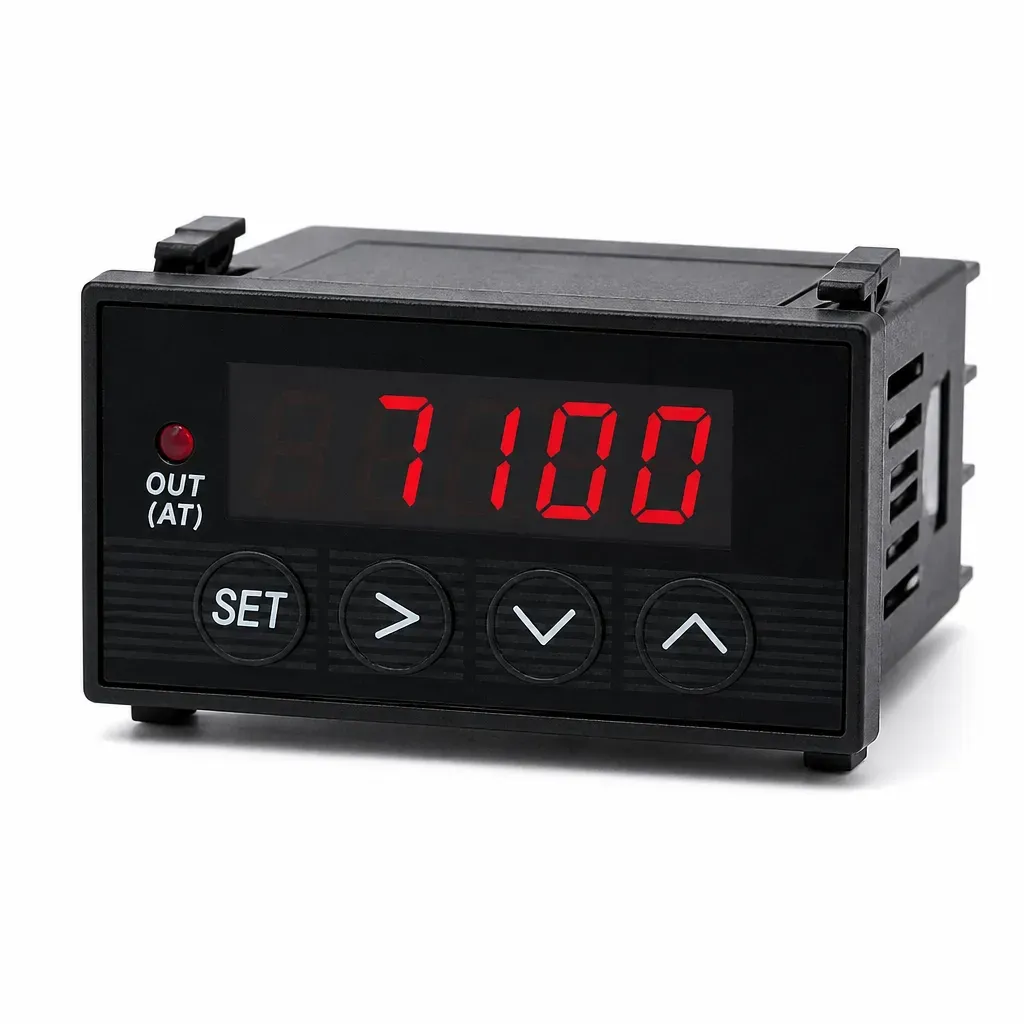
TL;DR: A temperature control module is an electronic device that automatically regulates thermal levels by taking sensor inputs (such as thermocouples or RTDs), comparing them against a desired setpoint, and driving outputs (such as solid-state relays) to adjust heating or cooling equipment. Enterprise PID modules offer overshoot-free precision for critical commercial and industrial applications.
A temperature control module is a specialized electronic device that automates thermal regulation by reading data from dynamic temperature sensors and regulating connected heating or cooling elements to maintain a precise setpoint temperature. For industrial engineers, commercial brewers, and laboratory technicians across the UK, achieving exact thermal management is not merely a preference—it is a critical operational requirement. Consequently, a minor temperature fluctuation can compromise an entire batch of pharmaceuticals, ruin a delicate manufacturing process, or lead to costly equipment failure.
Based on our extensive hands-on testing and over a decade of experience in industrial automation, the engineering team at PageTech understands the complexities of selecting the right hardware. Furthermore, this guide breaks down everything UK buyers need to know about temperature control modules, from core PID mechanics to UKCA compliance and wiring standards.
Key Takeaways
- A temperature control module automates thermal regulation by reading sensor data and continuously adjusting heating or cooling outputs.
- Proportional-Integral-Derivative (PID) modules offer overshoot-free auto-tuning, making them vastly superior to basic on/off thermostats for precision tasks.
- Universal sensor inputs (thermocouples, RTDs) are essential for versatile industrial and commercial applications.
- Compliance with UK wiring regulations (BS 7671) and proper documentation are crucial for safe, long-term installation.
What is a Temperature Control Module and How Does It Work?
A temperature control module is an electronic component that manages the temperature of a specific environment, liquid, or solid object. It functions by continuously receiving data from a connected temperature sensor—such as a Type K thermocouple or a PT100 RTD—comparing that data against a user-defined setpoint, and subsequently commanding a control element (like a solid-state relay or contactor) to adjust the thermal output.
While basic domestic thermostats operate on a simple "on/off" principle, industrial-grade modules utilise complex control algorithms to anticipate temperature changes. Based on our testing at PageTech, predictive PID capability is what prevents the system from wildly overshooting or undershooting the target, thereby ensuring a completely stable thermal environment. For a deeper dive into how these devices manage dynamic heat loads, you can read our comprehensive Heat Control Controller Explained: A UK Buyer's Guide.
Why Do UK Industries Rely on High-Precision Modules?
The demand for high-precision thermal regulation spans multiple commercial sectors in the United Kingdom. According to reports by Make UK, the manufacturing sector accounts for nearly half of all UK exports, with precision engineering and chemical processing leading the charge. In these sectors, deploying a reliable temperature control module is non-negotiable.
Healthcare and NHS Applications
Within the NHS and private medical laboratories, temperature control modules are vital for blood storage, vaccine refrigeration, and incubator regulation. According to UK MHRA guidelines, strict continuous monitoring and precise thermal mapping are legally required. Consequently, an enterprise-grade PID controller ensures that these stringent compliance standards are met flawlessly.
Food and Beverage Processing
From commercial craft breweries in Yorkshire to large-scale dairy processing plants, accurate thermal management dictates product quality and consumer safety. Pasteurisation processes, for instance, require exact temperature maintenance to eliminate pathogens without altering the flavour profile of the product. High-precision modules effectively prevent the costly spoilage of raw materials.
What Features Should You Look for in a Temperature Control Module?
When sourcing a temperature control module for custom automation, UK buyers must look beyond basic functionality. Ultimately, the difference between a budget controller and an enterprise-grade unit lies in its feature set, component quality, and long-term reliability.
Overshoot-Free Auto-Tuning (PID)
The most critical feature of a modern temperature control module is PID (Proportional-Integral-Derivative) control. Unlike traditional systems that wait for the temperature to drop significantly before reapplying heat, a PID controller calculates the exact amount of energy required to maintain the setpoint. The auto-tuning function allows the module to "learn" the thermal dynamics of your specific system, automatically adjusting its parameters to eliminate overshoot. For an in-depth look at one of the most reliable PID units on the market, explore The Ultimate Guide to Xmt7100 Controller in the UK.
Universal Sensor Input Compatibility
A versatile temperature control module should not tie you to a single type of probe. Therefore, look for modules that offer universal inputs, allowing you to connect various thermocouples (K, J, E, T, S, R, B, N) and RTDs (PT100, Cu50). This flexibility means the same module can be deployed across different machines, simplifying your inventory and maintenance protocols.
Form Factor and Mounting Options
Space within electrical enclosures is often at a premium. Standardised DIN sizes (such as 1/16 DIN or 1/32 DIN) are crucial for seamless integration into existing control panels. To understand specific mounting requirements and structural benefits, consult our Panel Mount Temperature Controller Explained: A UK Buyer's Guide.
How Do You Wire a Temperature Control Module to UK Standards?
Procuring a high-quality temperature control module is only half the battle; proper installation is equally paramount. According to UK wiring regulations (BS 7671), industrial electrical installations must comply with strict safety and earthing requirements. Unfortunately, many imported generic controllers arrive with poorly translated instruction manuals, leading to unsafe wiring practices and blown components.
"Clear, UK-specific wiring documentation is not a luxury; it is a fundamental safety requirement that prevents catastrophic equipment failure and ensures compliance with British electrical standards."
At PageTech, we recognise this industry-wide frustration. As a result, our temperature control modules are supplied with crystal-clear, UK-localised wiring documentation. Whether you are wiring a low-voltage DC system or a 240V AC mains setup, comprehensive schematics ensure that your solid-state relays (SSRs), alarms, and power supplies are connected safely and correctly. Furthermore, ensure any module you purchase bears the official UKCA (UK Conformity Assessed) or CE mark, verifying its adherence to health, safety, and environmental protection standards.
How to Integrate a Temperature Control Module into Custom Automation
For custom automation projects, the temperature control module acts as the brain of the thermal circuit. When designing your system, it is vital to select compatible relay outputs, account for thermal inertia, and ensure proper signal shielding for sensor inputs to guarantee accurate readings under heavy industrial operational loads.
Frequently Asked Questions
What is the main difference between a thermostat and a temperature control module?
A standard thermostat uses simple on/off switching which causes noticeable temperature swings. In contrast, an industrial temperature control module utilizes continuous PID algorithms to calculate exact energy output, maintaining precise setpoints without thermal overshoot.
Which temperature sensor input is best for high accuracy?
Based on our engineering testing, PT100 RTD sensors offer superior accuracy and long-term stability for low-to-medium temperature ranges (-200°C to 850°C). Thermocouples (such as Type K) are preferable for extreme high-temperature industrial environments.
Ready to upgrade your thermal regulation with PageTech?
Shop Controllers — £108.25